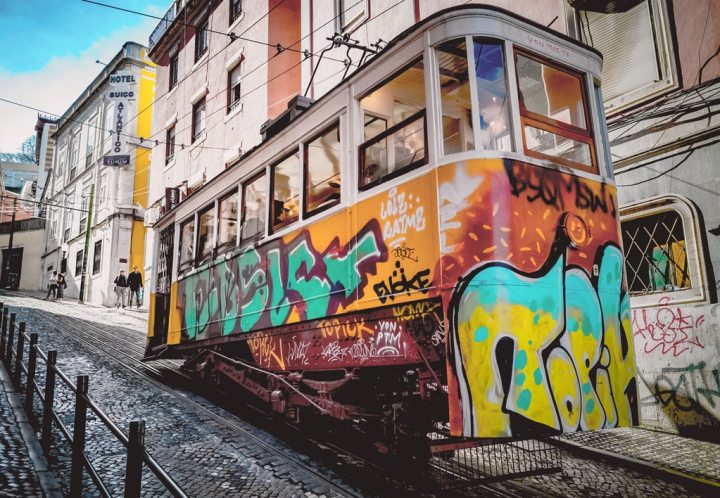
 Champions of the environment and lovers of global warming documentaries are thoroughly aware of Earth’s ailing health. Not just environmental activists but even the average person on the road has a bad feeling about the planet. In far off lands, ‘melting of glaciers’ and ‘erratic weather’ closer to home – let’s just say, the signs of doom are many.
The country has woken up. Rock-solid steps are being taken. By individuals, by societies, and by the government. From attempts to eradicate plastic by banning it in most major cities, tree-planting schemes, the whole narrative around carbon foot-print, environmental awareness in schools and colleges, the mushrooming of farmers’ markets, cleanliness drives, natural products on the shelf to more niche initiatives like upcycle beer made from dairy waste.
The question, however, is –how can we push the envelope? Are there any less obvious but equally impactful ideas to heal the environment? One such idea, in our opinion, is the beautification of public transport.
Truth be told, converting buses from petrol to CNG may have made them more environment friendly but that has not made car owners ditch their four-wheelers for a bus-ride. We believe that a real conversion can be brought about by elevating mundane public transport to pieces of art.
(a) By making buses and trains an attractive and engaging option for the weary commuter.
(b)By understanding the importance of embellishment and allocating appropriate budgets for the same.
(c) By instilling a sense of pride in the commuter and making his ride ‘sharable’ on social networks.
To make our point, we have handpicked examples of how art and design has elevated the status of public transport across the world.
- Japan’s quirky fruit shaped bus stops: If you have a penchant for all things fruity, from ice creams to cosmetics, Japanese town Konagai’s fruit shaped bus stops will fascinate you instantly. Strawberries, tomatoes, and green-apples – they are built-in all kinds of shapes, seasonal or non-seasonal. Created for multiple reasons, one of them being to encourage the transit system, these bus stops have also ended up becoming tourist attractions. Now tell us, if you had an apple bus-stop closer to home, wouldn’t you give your car a day off and bite into one of these?
- Vancouver’s relaxed campsite like bus-stops: Mini-breaks on a hammock in the middle of a hard day is everybody’s dream. But in Vancouver, it’s also an integral part of how people get from one part of the city to the other. The city of snow-capped mountains and crystal clear seas is also known for bus stops with hammocks and a camp-like vibe. While this idea might be impractical for a chaotic country like India, it definitely serves as an example of how art and design can be used to attract commuters.
- Thailand’s ostentatious bus body designs: Aumphur Muang in Thailand is home to artists and mechanics that transform buses into canvases with their bold designs. Recently the creative folks painted an entire series of superheroes on the body of the buses. Their designs are eye-catching and make a statement as they whiz past the streets. With no dearth of artists or superhero fans in India, this would be a terrific idea to take forward. Imagine going to work with batman on one day, and superman on the other. If cheap thrills can save the earth, then why not!
Artistes, designers, and countrymen: any thought starters?
 This time, let’s begin with a small exercise. First, think of some of the biggest cities in the world. Now, consider the first image that comes to mind.
 Indians are a dichotomous lot. On one hand – warm, hospitable and sociable. And on the other hand, hugely classist and racist. And that’s not all; we are also equally vocal about both aspects of our personality. Land up at a party in New Delhi or a Mall in Chandigarh and it’s not unusual to overhear a conversation of the following nature:
 Picture this. It’s 2035; you have just made it to Mars after a long journey. You’re visiting your scientist friend who shifted to the red planet in 2030 when the first spacecraft left from Earth. Frozen water available under the surface of Mars has been transformed into regular refrigerated water by now and is being served to you in an oddly shaped glass (come on, it’s Mars, things must look more techie than Earth). Your friend also greets you with potato fritters, or potato mash if you please. Both of you take a walk, there are no vehicles yet and instead of encountering the famed Mars dust storms, you enjoy the warm breeze of another planet.
 ‘I’m on a highway to hell.
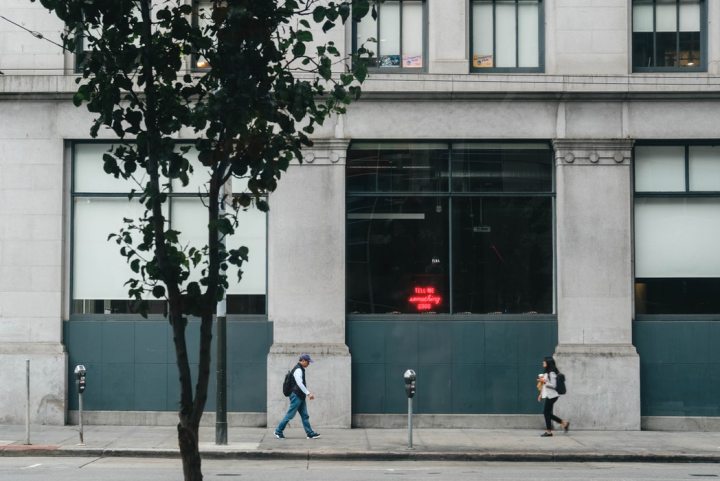 There is a charming little cantonment town in Uttarakhand called Landour. For those interested in delicious anecdotes and sublime writing would also know that its home to author Ruskin bond. Besides being picturesque and literary in its own way, Landour is also a place where people experience walking not just a ‘daily mundane act’ but as a ‘act of pleasure’. Majestic deodars behind metal railings on spotless Landour streets stand out for something very unique – they carry quotations on topic ranging from walking to contemplation, from self-reflection to human-connection. It’s a little bit like being in Henry David Thoreau’s Walden world. When walking from Char Dukan on a long stretch of road, one can’t help but catch a few breaths and savour the words of Tolkien, Keats, Frost. The everyday task of strolling literally feels like an artistic vocation in Landour.
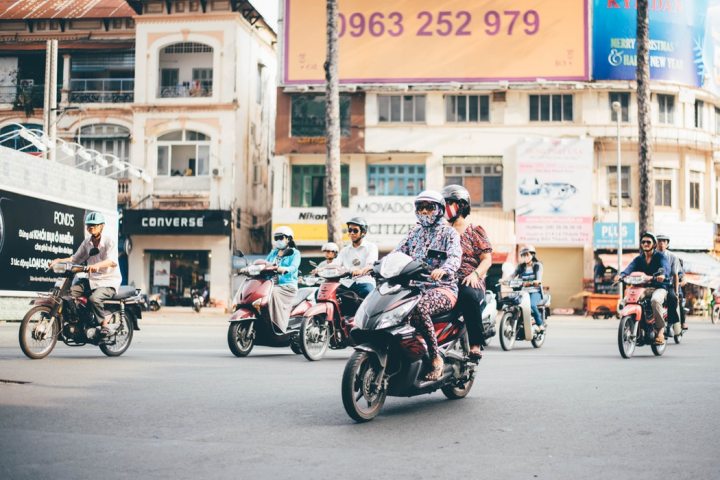 ‘I need my space’ is perhaps the newest slogan of urban India. In the past decade or so, the metros have seen an increased growth in nuclear families, the joint family system is a thing of the past, there are fewer meaningful social interactions – many of these changes can be are attributed to the growing need for personal space. Ironically enough, India may be the most depressed country in the world fighting a micro and a macro identity crisis, looking for someone to talk to – yet it is also turning (in urban cities) into a society that is building taller walls than ever.
 earthaware